
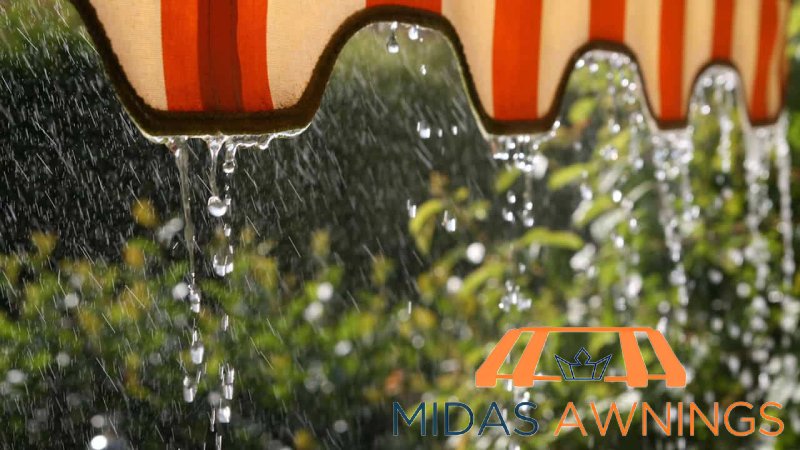
Awning repair is important for Singaporean homeowners, especially when dealing with common issues like water leaks. Addressing water leaks quickly can prevent serious damage that may require an awning replacement. This guide explains how to address water leaks and maintain your awning, helping you handle minor repairs or know when it’s time to call a professional awning repair service.
Identifying the Source of the Leak
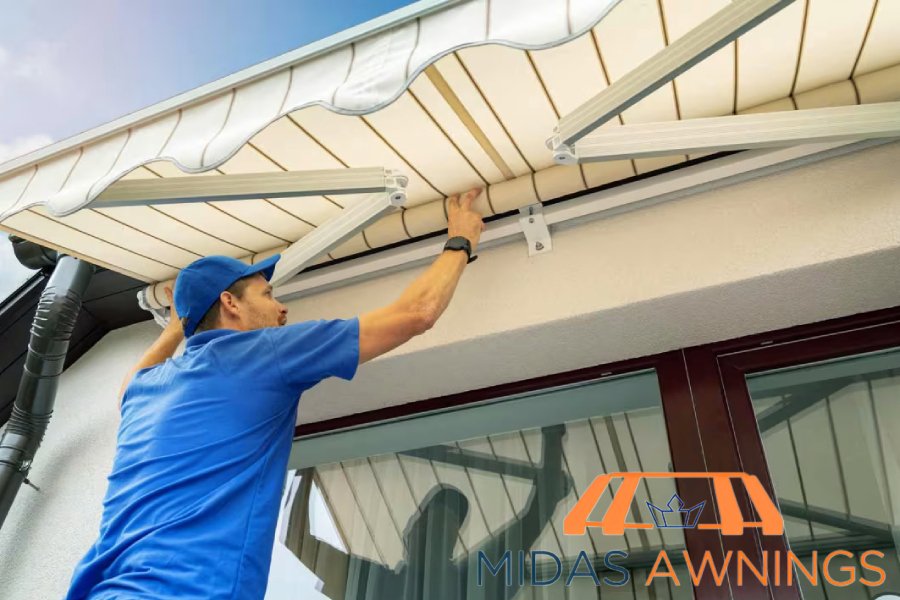
The first step in fixing an awning leak is figuring out where the water is coming from. It could be that your awning has holes that need fixing, or maybe it wasn’t installed properly. Warning signs your awnings are not properly installed include water pooling or gaps between the awning and supporting structures. These gaps can let water in, causing damage to the awning and leading to leaks.
Water pooling can also make existing holes worse, letting in even more water and causing more damage. Fixing these issues early on is an important part of repairing your awning, and regular inspections can help you spot leaks before they cause further damage.
Check the Awning’s Waterproof Coating
One of the myths about water-resistant awnings every Singapore homeowner should know is that water-resistant doesn’t mean waterproof. Waterproof materials block water from passing through, making them ideal for heavy rain, while water-resistant fabrics can only handle light moisture.
If you’re choosing a water-resistant fabric awning, it’s important to remember that it can wear down over time due to weather and UV exposure. Water may seep through as the waterproof coating begins to fade, crack, or peel, resulting in leaks. That’s why it’s important to regularly check your awning’s waterproof coating for signs of wear. A fresh, waterproof coating can help prevent future leaks if you notice any changes.
Examining the Seals and Seams
Seals and seams are key to keeping water out of your awnings. Over time, these areas can wear down due to weather, UV damage, and constant use. Regularly checking the seals and seams is important as cracks, gaps, or signs of wear can lead to leaks. If the seals or seams are beyond repair, replacing the awning may be necessary to avoid further leaks and ensure its durability. Before buying a new retractable awning in Singapore, consider factors like the climate, intended use, and installation requirements, as these can affect the condition of the seals and seams.
Patch Small Holes or Tears
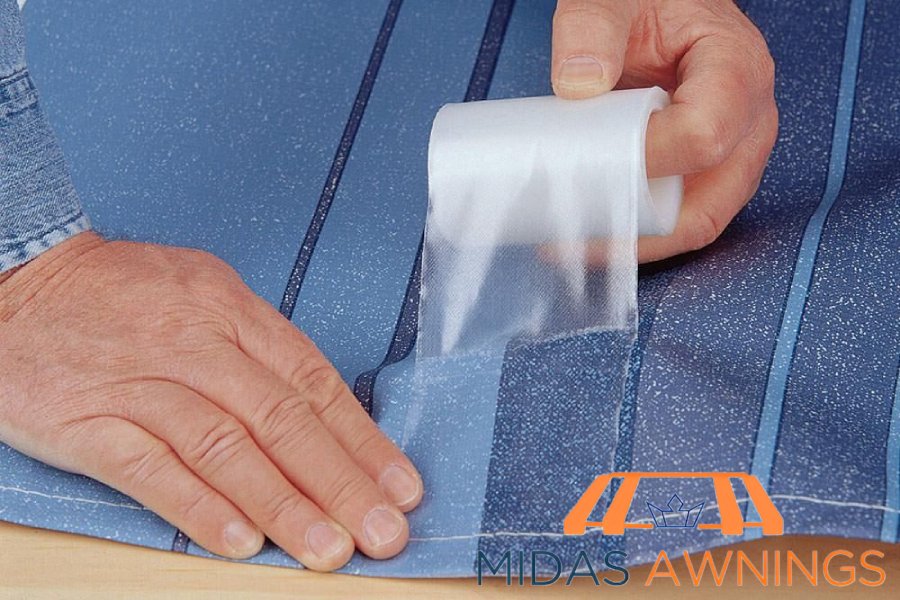
Small holes or tears in your awning can not only cause leaks but also affect how your awning’s aesthetics. Sharp objects, UV exposure, or general wear and tear can cause holes, leaving noticeable marks. To fix awning fabrics, use an awning repair tape or a patch kit designed for awning fabrics. Clean the area with a 50/50 alcohol and water solution before applying the tape. Alternatively, you can use silicone caulk, white for light fabrics, and clear for dark ones. Just apply the caulk from the underside, let it dry, and then add a layer to secure it. By following these tips for awning repair to enhance your home’s aesthetic, you’ll keep your awning looking great while preventing leaks.
Re-seal the Seams
If the seams on your outdoor awning are damaged, re-sealing them can help prevent water leaks. There are different types of seam sealants available, specially formulated for outdoor fabrics. For best results, a silicone-based sealant is often recommended for outdoor awnings due to its excellent weather resistance.
Here are the steps on how to properly seal the seams:
- Prepare the seams by cleaning them thoroughly and allowing them to dry completely.
- Apply the seam sealant according to the manufacturer’s instructions, ensuring even coverage along the entire seam length.
- Allow the sealant to cure properly before retracting or using the awning.
Fix the Frame and Fasteners
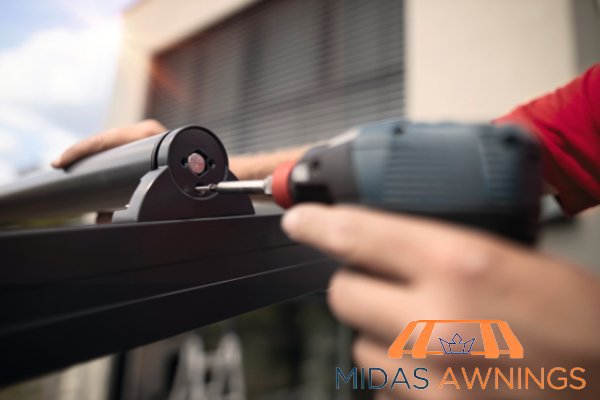
Addressing water leaks involves checking the frame and fasteners that hold your awning in place. These parts may loosen, crack, or corrode, allowing water to seep through the awnings. To keep the awnings secure and watertight, tighten loose fasteners or brackets and replace corroded or severely damaged parts. These are indicators that your retractable awning needs repair, and fixing them will help prevent leaks and maintain the overall condition of your awning.
Adjust the Pitch Angle
The pitch angle of your awning plays a big role in how well water drains off. If it’s too shallow, water can collect and cause leaks. Check the manufacturer’s recommendations or ask a professional for guidance to find the right angle. You may need to adjust the mounting brackets or the frame to get it right.
One of the innovative uses of retractable awnings is adjusting it to turn your patio or balcony into a functional space for relaxation and social gatherings. When addressing water leaks, checking the pitch angle is also crucial for maintaining your awning. If the pitch is too shallow, water can pool and cause leaks, but adjusting it properly ensures better drainage and helps prevent further issues. To get the right angle, you may need to tweak the mounting brackets or frame. Be sure to follow the manufacturer’s guidelines or consult an expert for advice on properly adjusting your awning’s pitch angle.
Apply a Waterproof Coating
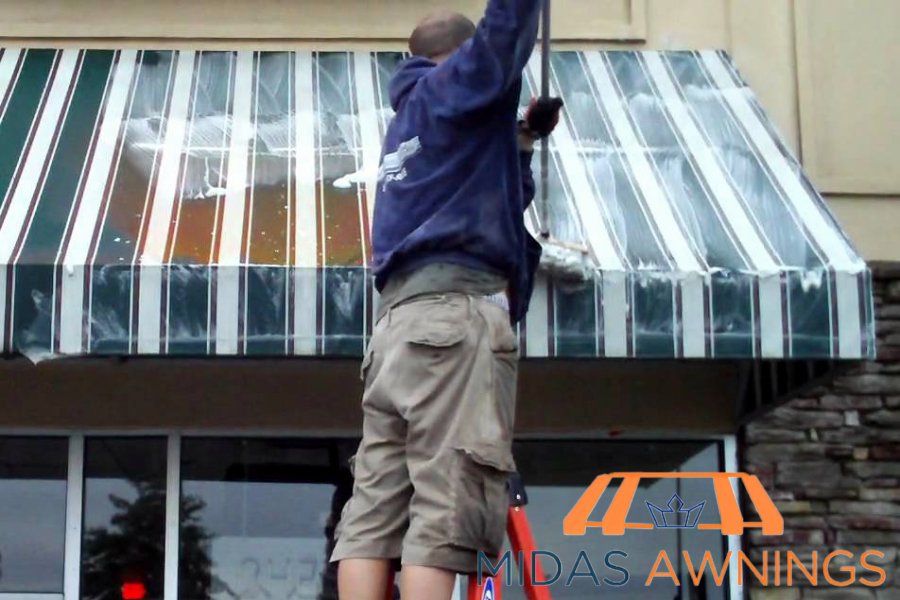
Applying a waterproof coating can help prevent mold and mildew on your retractable awning, especially after a replacement or if the existing coating is severely damaged. Be sure to use a high-quality waterproofing product that can withstand harsh weather. Before applying the coating, follow a step by step DIY awning roof cleaning guide. Prepare the surface as instructed, apply the coating evenly, and allow it to cure before using or retracting the awning to ensure it sticks properly and lasts longer.
Test the Awning
After completing the necessary repairs, testing the awning is crucial to confirm that the leaks have been properly addressed. You can use a garden hose or wait for rain to observe how the awning behaves. Check that it fits your space correctly and see if further adjustments are required. It’s also important to assess its durability to avoid the need for frequent checks. Testing the awning helps confirm that the repairs have been effective. If leaks continue, additional adjustments or repairs may be needed. If the leaks persist despite your efforts, it may be a good idea to consider a retractable awning replacement for a more reliable long-term fix.
Proper Cleaning and Maintenance
Regular cleaning and maintenance are important to keep your awning in good condition and prevent leaks. To avoid issues, be mindful of common mistakes to avoid when cleaning and maintaining fabric awnings, such as using abrasive tools, applying harsh chemicals, or neglecting regular upkeep.
Use mild laundry detergent and lukewarm water for roll-up, retractable, and fixed awnings. Always check for signs of wear, like fading or fraying, and immediately address any issues. Additionally, a protective coating can help shield your awning from harsh weather and extend its lifespan.
Professional Repairs vs DIY Solutions
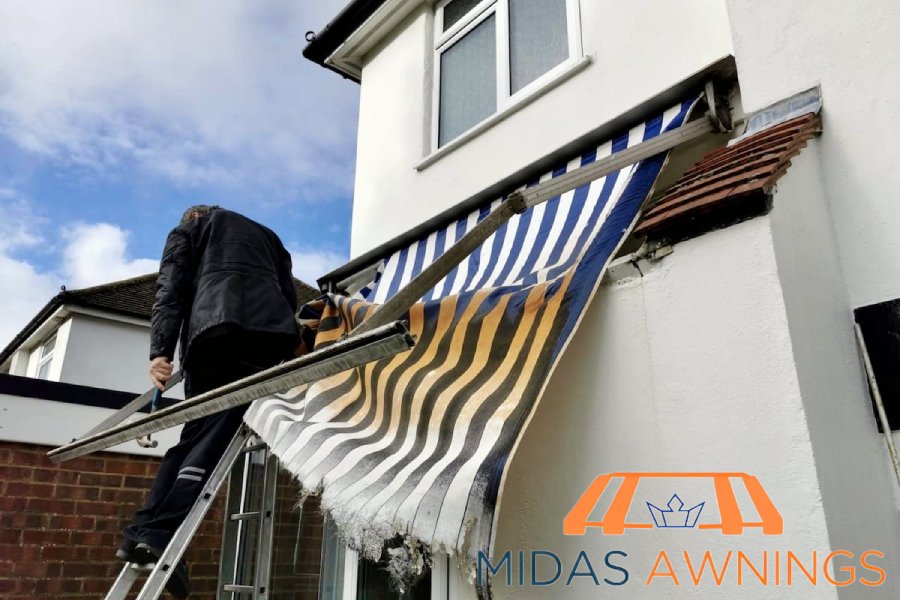
When you install retractable awnings yourself, be sure to measure accurately, prepare all the necessary tools, and prioritise proper safety precautions. You should also consider external factors like weather and the awning’s position to avoid potential damage that might require repairs. You can reach out to a professional if your DIY installation or repairs don’t go as planned.
When working with a professional awning contractor, you can expect a smoother process. This typically begins with an initial consultation and a detailed discussion of your needs. They also provide clear and upfront repair quotations, so you know exactly what to expect in terms of scope and cost.
Contacting Midas Awnings Singapore for Professional Awning Repair Services
If your awning has persistent leaks or serious damage, contact Midas Awnings Singapore for professional repair services. Our skilled team can identify the issue and provide lasting solutions to restore your awning’s condition and appearance. Many satisfied customers have shared how we’ve successfully addressed water leaks and other repair needs, and their reviews can help guide your decision as we restore your awning to its best condition.
Conclusion
Addressing leaks in your awnings is important to keep them in good working condition. By following the tips in this guide, you can address common causes of leaks, like damaged coatings, seals, seams, fabric tears, and frame issues. Regular cleaning and maintenance will also help prevent future leaks. If the problem is more complicated, engage a professional to install awnings for your property that are better in quality. They will save you time and help you avoid costly mistakes. Avoid hiring a cheap awning contractor as they often use poor materials, deliver inconsistent work, and lead to hidden costs. With trusted services like Midas Awnings Singapore, you can ensure your awning lasts for many seasons.
Midas Awnings Singapore is your go-to provider for superior awning solutions, offering a wide range of awning services for retractable awnings, awning roofs, and awning canopy to enhance your home’s functionality and aesthetics. Our skilled team ensures that our sliding awnings and ACP awnings provide versatility and convenience, so you can adapt seamlessly to Singapore’s weather conditions. We offer quality installation for different types of awnings including glass awnings, outdoor awnings, door awnings, and aluminium composite awnings. Whether you need window awnings to shield interiors, balcony awnings for shade, or durable polycarbonate awnings, our skilled professionals deliver exceptional results. Moreover, explore our premium cassette awnings, fixed awnings, robust polycarbonate roofs, and outdoor canopy for permanent shading solutions. For exceptional workmanship and unmatched customer service from Midas Awnings Singapore, contact us today via WhatsApp at +65 8241 0032 and transform your space with our top-tier awning solutions.
Last Updated on January 6, 2025